Cocktail Mixing: How to Make a Cocktail — Mixology 101
Cocktail mixing basics for beginners, in millilitres. How to shake, stir and build six classic recipes, and how to start at home. A UK double is 50 ml.

TL;DR
Cocktail mixing is measuring a drink in millilitres, then chilling and diluting it on purpose. Shake it if it contains citrus. Stir it if it is spirits, vermouth and bitters only. Build it in the glass if it is a long drink with tonic or soda. In this guide a UK double is 50 ml and a UK single is 25 ml.
- Shake citrus drinks for 10 to 12 seconds.
- Stir spirit-forward drinks for 20 to 30 seconds.
- Build a gin and tonic in the glass. Do not shake anything fizzy.
- Learn six drinks: gin and tonic, Negroni, whisky sour, Old Fashioned, daiquiri, martini.
How to start learning cocktails
Learning cocktails is repetition with a jigger, not a bigger collection of bottles. If you want to know how to start cocktails, use this order and stop after one drink.
- Make a gin and tonic on night one. If you can spare the gin, pour it twice: once with 50 ml gin and 100 ml tonic, once with 50 ml gin and 150 ml tonic. Keep the ratio you prefer.
- On night two, stir a Negroni. Taste a drop of gin, sweet vermouth and the red bitter on their own first, so you know which flavour is which.
- On night three, shake a whisky sour. Another night, stir an Old Fashioned with the same bourbon. You are comparing shake with stir, not finishing both in one sitting.
- When those four are repeatable, buy white rum and shake a daiquiri, then buy dry vermouth and stir a martini.
- Measure every pour. Do not free-pour while you are learning. Six drinks across a fortnight is enough practice. Do not make all six in one evening.
London dry gin, bourbon and sweet vermouth are the three spirits to buy first. You will also need tonic, a red bitter such as Campari, lemon, sugar syrup and aromatic bitters before the first four drinks are possible. Rum and dry vermouth come later. Those extras are not linked from this page.
Cocktail mixing basics
Mixology is the wider craft: flavour, balance and how a drink is built. Cocktail mixing is the part you can practise tonight. It means chilling the drink and adding a controlled amount of water from the ice so the spirit tastes finished rather than hot.
Pouring a warm spirit over one cube is not yet mixing. A mixed drink has a measure, a method and a target strength. As a working rule, a properly shaken or stirred cocktail is about one fifth water when it hits the glass. That water is an ingredient. If the drink tastes harsh, it usually needs a few more seconds on ice, not more sugar and not more spirit.
These are the formulas used in the recipes below. Once you can taste which row you are in, you can vary a drink without guessing.
| Pattern | Pour | Method | Recipe |
|---|---|---|---|
| Highball | 50 ml spirit, about 150 ml cold mixer | Build | Gin and tonic |
| Equal parts | 25 ml, 25 ml and 25 ml | Stir | Negroni |
| Sour | 50 ml spirit, 25 ml fresh citrus, 15 ml 1:1 syrup | Shake | Whisky sour, daiquiri |
| Spirit-forward | 50 ml spirit, 5 ml syrup, 2 dashes bitters | Stir | Old Fashioned |
| Dry martini | 60 ml gin, 10 ml dry vermouth | Stir | Martini |
When the same formulas should follow the fruit that is actually in season, use the seasonal cocktail recipes. The method does not change. The produce does.
UK measures in millilitres
Write the recipe in millilitres and ignore ounce-first lists until the drink is familiar. A US fluid ounce is 29.57 ml. Home jiggers treat 30 ml as 1 oz. That shorthand is only a conversion. It is not the measure this guide pours.
| What you are pouring | Millilitres | Note |
|---|---|---|
| UK single, this guide | 25 ml | Usual pub single in England and Wales |
| UK double, this guide | 50 ml | Twice the 25 ml single |
| Some pub singles | 35 ml | Used at some premises, including many in Scotland; the double there is 70 ml |
| 1 US fl oz, bar shorthand | 30 ml | A legal US fl oz is 29.57 ml |
| 0.5 US fl oz, bar shorthand | 15 ml | Half-ounce jigger mark |
| 2 US fl oz, bar shorthand | 60 ml | 10 ml more than a UK double |
| One dash of bitters | about 1 ml | Count dashes; do not jigger them |
If your jigger uses US fluid ounces, treat 30 ml as 1 oz. On that shorthand, 50 ml is about 1.7 oz, and a full 2 oz pour is 60 ml. A "2 oz" American recipe is therefore a larger drink than a UK double. Where this guide chooses 50 ml, that is deliberate.
Buy a jigger with 25 ml and 50 ml marks. Eyeballing into a tumbler is how early drinks turn out too strong or too sweet.
Tools for a first home bar
You need four things: a metric jigger, a cobbler shaker, a long spoon and ice. A tall glass, a short rocks glass and a small wine glass cover every recipe here. Coupes can wait.
- Jigger, 25 ml and 50 ml. This is the tool that fixes balance. A typical UK price is about £8–£15.
- Cobbler shaker. A three-piece tin with a built-in strainer and a cap. Easier to seal than a two-piece Boston shaker, which many bartenders prefer later. About £12–£25.
- Bar spoon. About 30 cm, twisted handle if you can find one. A long teaspoon is enough for the first week. About £6–£15 for a purpose-made spoon.
- Ice trays. Ordinary cubes for shaking and stirring. One tray that makes a large cube for the Old Fashioned and the Negroni.
- Peeler and a citrus press or a fork. You need fresh peel oils and fresh juice, not a gadget set.
Add a Hawthorne strainer only if you move to a Boston tin. Add a fine mesh strainer when you muddle herbs or use egg white. A mixing glass can be a sturdy jar until then. Skip the muddler for now: none of the six recipes needs one.
Those prices are rough UK shelf ranges in 2026 so you can budget. They are not offers, and this page does not link to tool shops. The longer shopping list, including what to delay, is the essential home bar tools guide.
A pre-measured beginner kit is another way to buy the first night's ingredients. Choose it for the drinks you actually want to learn, not for how many miniatures are in the box.
A pre-measured whisky sour cocktail kit packs spirit, mixers and a method card if you want the first sour measured for you.
How to make a cocktail
Chill the glass while you work: five minutes in the freezer, or fill it with ice and water and tip that out before you strain. A single drink takes about five minutes once the syrup is already cold.
How to shake a cocktail
Shake sours and anything with citrus, egg or cream. Shaking both chills and aerates. Do not shake a martini, an Old Fashioned or a Negroni if you want them clear.
- Add the spirit, citrus and syrup to the shaker. Leave the ice out until the measures are in.
- Fill the shaker about two-thirds with fresh, hard ice straight from the freezer.
- Seal the shaker, point the seal away from your face, and shake hard for 10 to 12 seconds, until the outside is frosted and uncomfortable to hold.
- Strain into the glass the recipe names. A cobbler shaker's built-in strainer is enough here unless you have added egg white or muddled fruit.
- Garnish and serve at once. Do not leave the drink on the ice you shook it with.
How to stir a cocktail
Stir drinks that are only spirits, vermouth and bitters. Stirring chills and dilutes with less air, so the drink stays clear.
- Add the spirits, vermouth and bitters to a mixing glass or a sturdy jar. Check the measures before you add ice.
- Fill the glass with fresh ice.
- Place the bar spoon against the inside wall and stir smoothly for 20 to 30 seconds. The outside of the glass should sweat.
- Strain into a chilled glass, or over fresh ice if the recipe says so.
- Garnish. A stirred drink should look clear, not cloudy or foamy.
How to build a cocktail in the glass
Build long drinks. The ice in the glass does the chilling. The spoon only introduces the mixer to the spirit.
- Fill the serving glass with fresh ice.
- Add the measured spirit.
- Top with the cold mixer.
- Lift once with a bar spoon from the bottom of the glass so the layers meet. Do not shake; tonic and other fizzy mixers will erupt in a shaker.
- Garnish and serve.
How to muddle
Muddle only when a recipe asks for soft fruit or herbs. Pressing mint or strawberry into a pulp pulls out bitterness. The six starter recipes do not use this step. It is here so you do not muddle an Old Fashioned sugar cube out of habit.
- Put only the soft ingredient in the glass: mint, berries or a citrus wedge.
- Press once or twice with a muddler until you can smell it. Stop before it turns to pulp.
- Add the remaining ingredients and ice, then shake, stir or build as that recipe says.
- Do not muddle ice, and do not grind a sugar cube. Use syrup for the Old Fashioned in this guide.
How to make 1:1 sugar syrup
1:1 means equal sugar and water by weight. This is the syrup in the sour recipes and the Old Fashioned. Make it before you start a drink; it keeps.
- Put 100 g caster sugar and 100 ml cold water into a clean jar.
- Stir or shake until the liquid is clear. If the sugar will not dissolve, stand the jar in a bowl of hot water and stir again.
- Cool it if you warmed it, then cap the jar and refrigerate it.
- Use the syrup within two weeks. Throw it away if it looks cloudy, smells fermented or tastes sharp.
Six classic cocktails
Each spec below is one drink. Taste it before you change it. If you adjust, move in 5 ml steps, not in guesses.
Salt, fat and a bitter bite sit well beside the stirred drinks, especially the Negroni. The cocktail and food pairing guide matches snacks to specific drinks. For more bitter drinks meant to be had before dinner, see the pre-dinner aperitif drinks.
How to make a gin and tonic
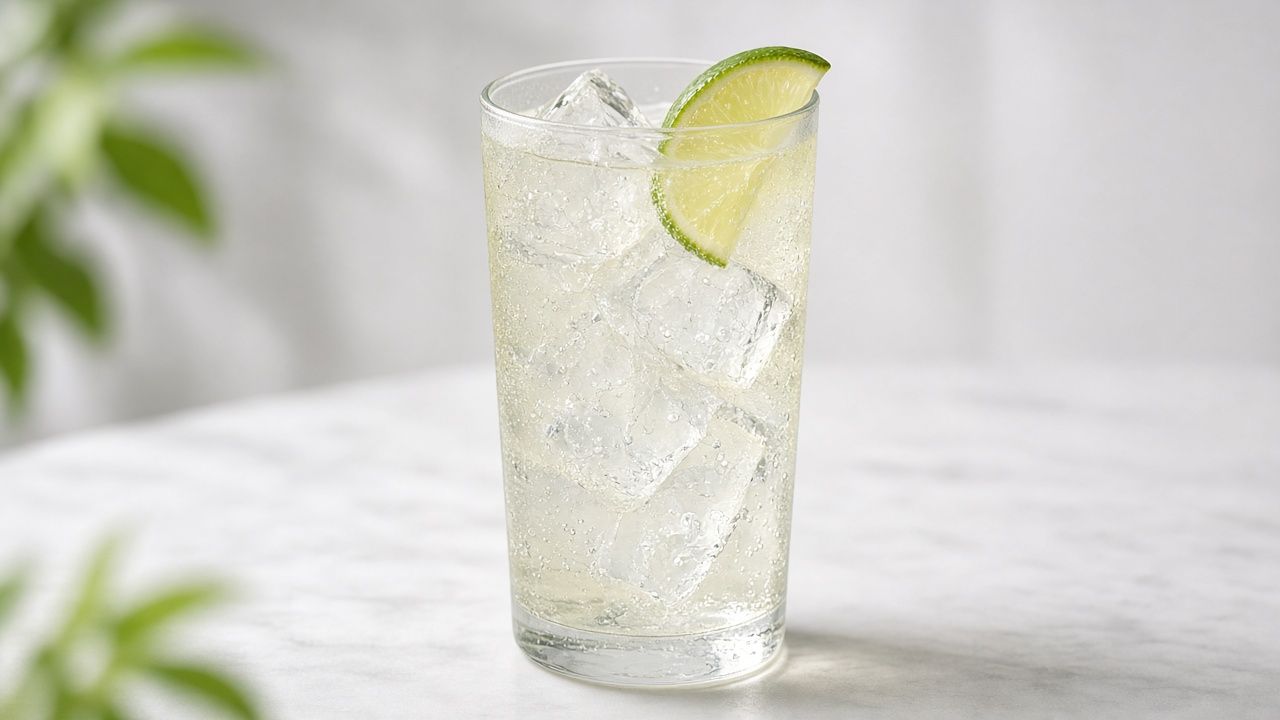
The first build. The only skill is the measure and one lift of the spoon.
Spec
- 50 ml London dry gin
- About 150 ml cold tonic water
- A lime wedge, or a strip of grapefruit peel
Glass. A tall glass, filled with ice.
Method
- Fill a tall glass with fresh ice.
- Measure in 50 ml London dry gin.
- Add about 150 ml cold tonic water. A 150–200 ml bottle is a normal UK mixer size; you do not have to pour it all in.
- Lift the drink once from the bottom with a bar spoon so the gin and tonic meet. Do not shake.
- Garnish with a lime wedge or a strip of grapefruit peel, and serve.
What it teaches. How much mixer you like. At 100 ml tonic the gin is louder. At 150 ml the drink is longer and more refreshing. Both are legitimate.
How to make a Negroni
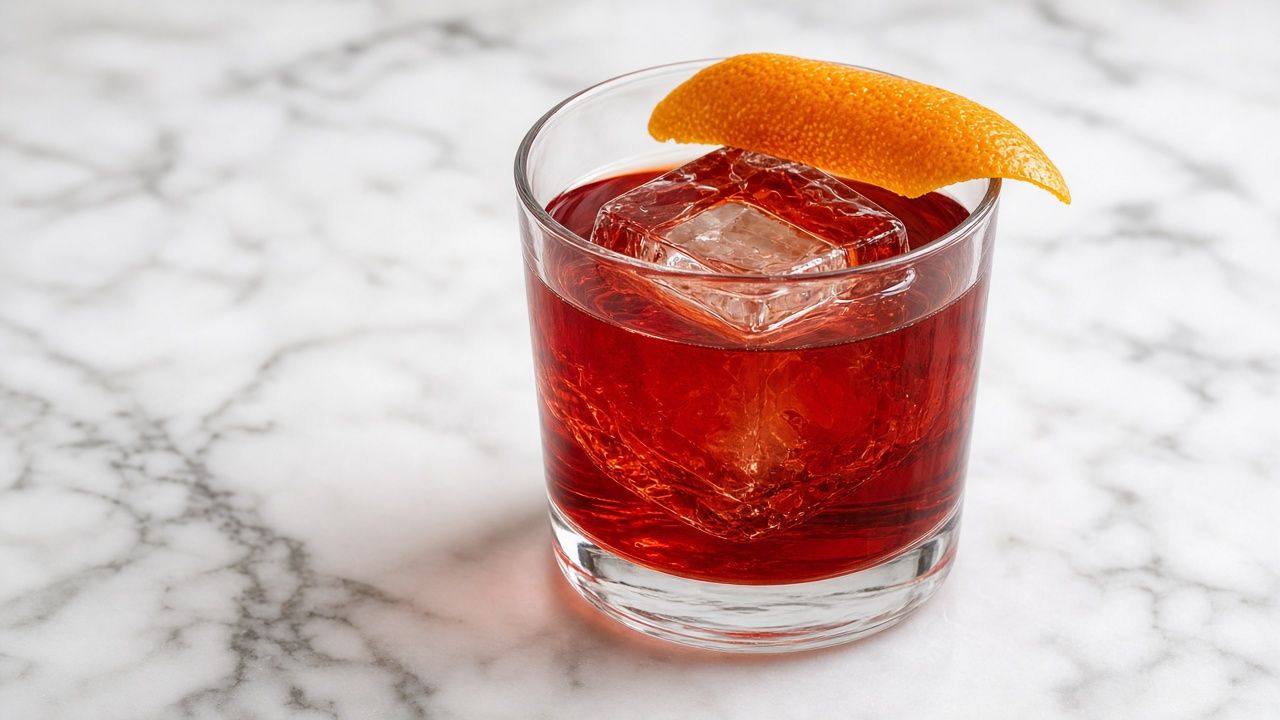
Equal parts. Nothing to hide behind. This is the drink that teaches balance.
Spec
- 25 ml London dry gin
- 25 ml sweet vermouth
- 25 ml Campari
- A strip of orange peel
Glass. A rocks glass, with one large cube or fresh cubes.
Method
- Measure 25 ml London dry gin, 25 ml sweet vermouth and 25 ml Campari into a mixing glass.
- Fill the mixing glass with fresh ice.
- Stir for 20 to 30 seconds, until the outside of the glass feels cold and wet.
- Strain into a rocks glass over one large ice cube, or over fresh cubes if that is what you have.
- Garnish with a strip of orange peel. Twist it over the drink so the oils land on the surface.
What it teaches. Bitter, sweet and spirit in the same sip. If you want a slightly longer drink, use 30 ml of each. Do not "fix" the bitterness by adding tonic; that is a different drink. A Manhattan is the same kind of stirred drink once this one feels easy: 50 ml bourbon or rye, 25 ml sweet vermouth, 2 dashes of Angostura, stirred and strained. It is not a separate lesson.
How to make a whisky sour
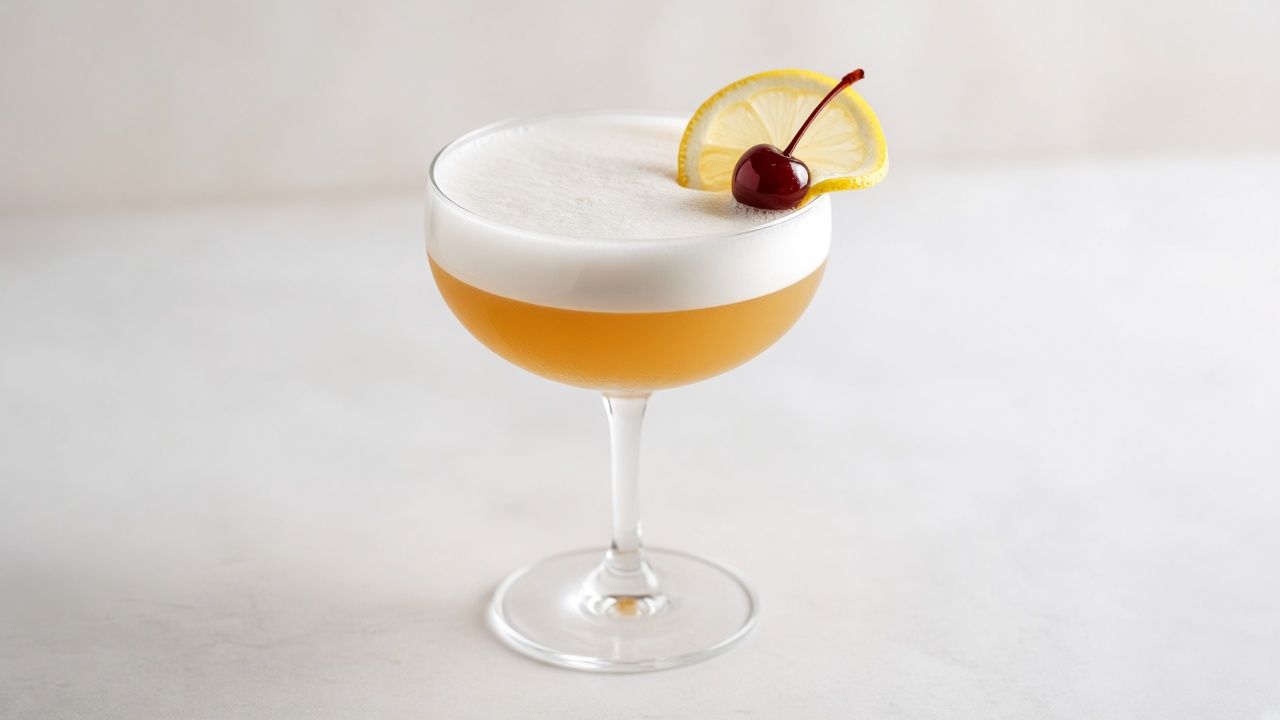
The sour formula: two parts spirit, one part fresh citrus, a smaller part of syrup. American books call it a whiskey sour. Same drink.
Spec
- 50 ml bourbon
- 25 ml fresh lemon juice
- 15 ml 1:1 sugar syrup
Glass. A rocks glass, with fresh ice.
Method
- Measure 50 ml bourbon, 25 ml fresh lemon juice and 15 ml 1:1 sugar syrup into a shaker.
- Fill the shaker about two-thirds with fresh ice from the freezer.
- Seal it and shake hard for 10 to 12 seconds, until the tin is frosted.
- Strain into a rocks glass over fresh ice.
- Garnish with a lemon peel or a small lemon wedge.
What it teaches. The sour formula you will reuse for the daiquiri. If it is too sharp, add 5 ml syrup. If it is too sweet, add 5 ml lemon. Stop after one adjustment.
Egg white, if you want a foamy head. The sour is complete without it. If you add about 15 ml egg white, shake for 10 seconds with no ice, then add ice and shake for another 10 seconds, and strain through a fine mesh if you have one. Skip raw egg if you are pregnant or have been told to avoid it. Use an egg you would be willing to fry, and keep it cold.
How to make an Old Fashioned
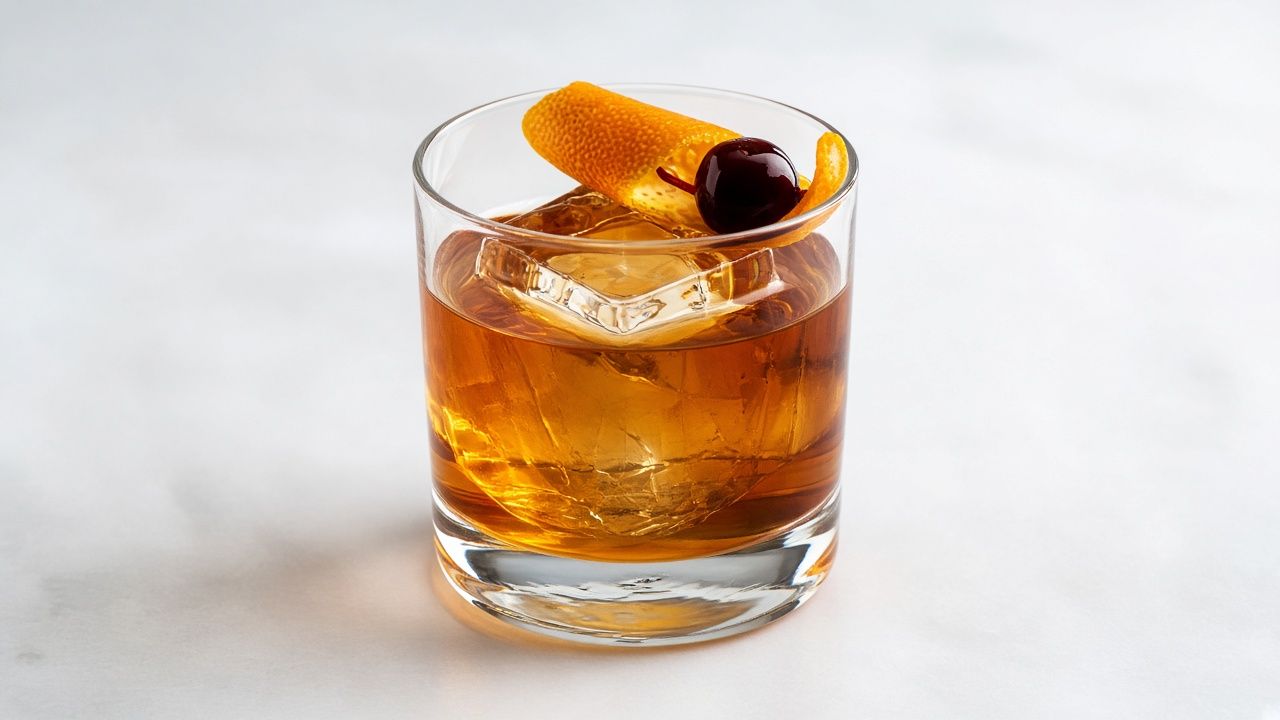
Spirit, a little sugar, bitters and orange oil. Stirred, not shaken. This spec uses 50 ml, a UK double. Many US recipes call for 60 ml (2 US fl oz). Use 60 ml only if you want that longer American bar pour.
Spec
- 50 ml bourbon
- 5 ml 1:1 sugar syrup
- 2 dashes Angostura aromatic bitters
- A strip of orange peel
Glass. A rocks glass, with one large cube.
Method
- Measure 50 ml bourbon, 5 ml 1:1 sugar syrup and 2 dashes of Angostura bitters into a mixing glass.
- Fill the mixing glass with fresh ice.
- Stir for 20 to 30 seconds, until the glass is very cold.
- Strain over one large ice cube in a rocks glass.
- Twist a strip of orange peel over the drink, then drop it in.
What it teaches. Sweetness at the scale of a teaspoon, and why peel oil matters. A sugar cube is the older bar method and is harder to dissolve fully, which is why this guide uses 5 ml of syrup. Add another 5 ml only if the drink tastes too dry. Rye whisky works in place of bourbon once you already own it. It is not an extra bottle to buy first.
How to make a daiquiri
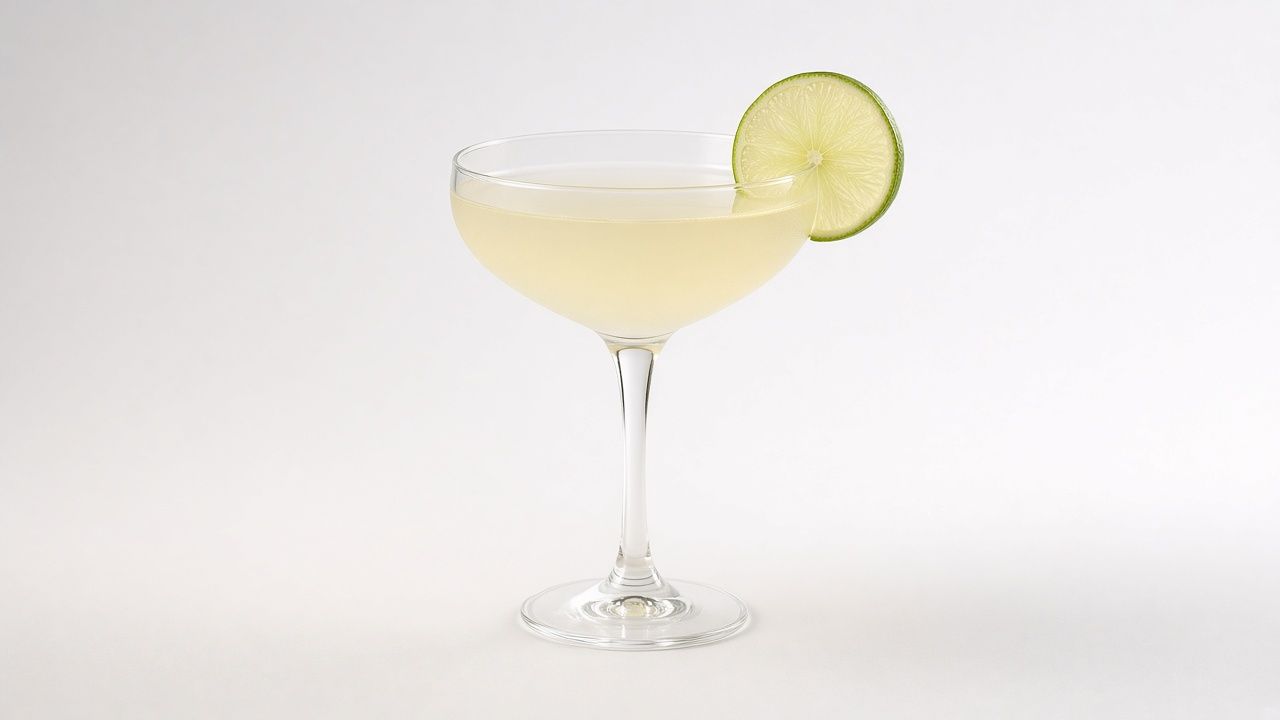
The whisky sour formula again, with white rum and lime. That repetition is the point.
Spec
- 50 ml unaged white rum
- 25 ml fresh lime juice
- 15 ml 1:1 sugar syrup
Glass. A chilled coupe, or a small wine glass. No ice in the glass.
Method
- Measure 50 ml white rum, 25 ml fresh lime juice and 15 ml 1:1 sugar syrup into a shaker.
- Fill the shaker about two-thirds with fresh ice.
- Seal it and shake hard for 10 to 12 seconds, until the tin is frosted.
- Strain into a chilled coupe or a small wine glass. Serve with no ice in the glass.
- Garnish with a thin lime wheel, or leave it bare.
What it teaches. Fresh lime, not cordial. Lime cordial makes a different, sweeter drink and will not taste like this one. The IBA daiquiri is a drier spec (60 ml white rum, 20 ml lime, two bar spoons of sugar). The 50 / 25 / 15 pour above is an easier home sour. When you can make this without reading it, the drier spec is the next tweak, not a different technique.
How to make a martini
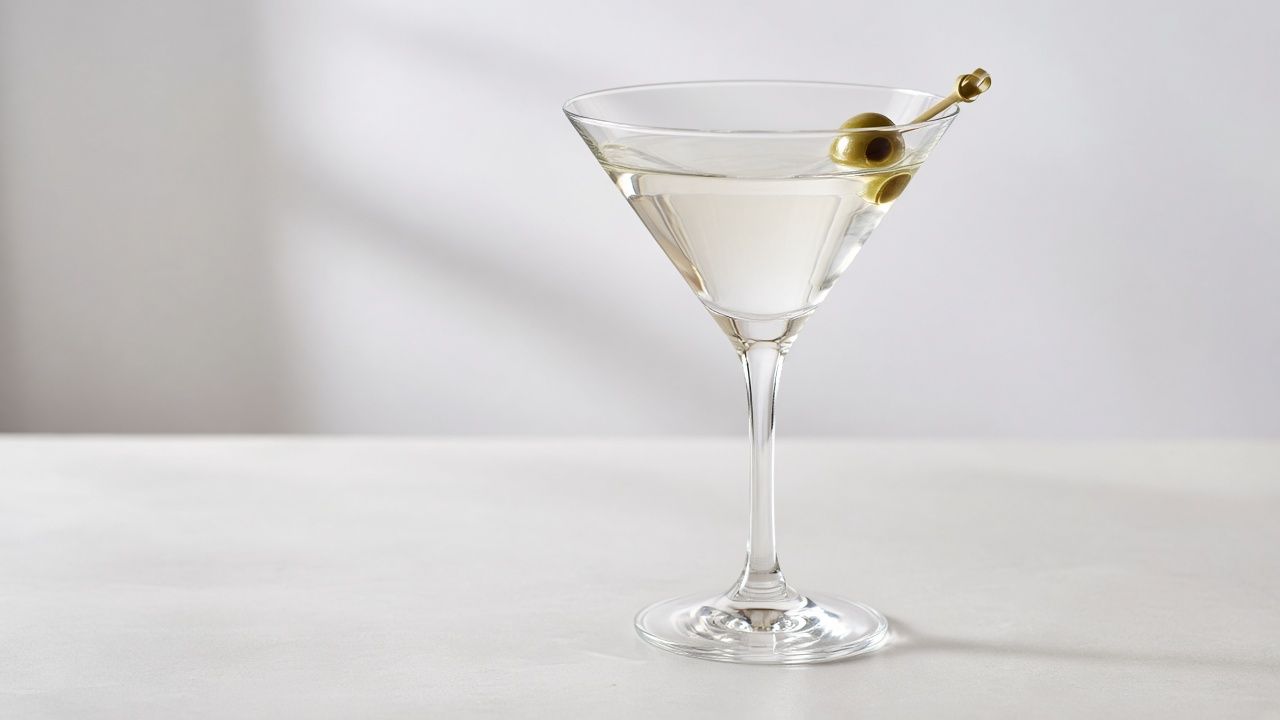
A dry martini: a lot of gin, a little dry vermouth, stirred until it is very cold. This is not a vodka drink and it is not shaken.
Spec
- 60 ml London dry gin
- 10 ml dry vermouth
- A lemon peel, or one olive
Glass. A chilled cocktail glass or a small wine glass. No ice in the glass.
Method
- Measure 60 ml London dry gin and 10 ml dry vermouth into a mixing glass.
- Fill the mixing glass with fresh ice.
- Stir for 25 to 35 seconds, until the drink is very cold and the glass is sweating.
- Strain into a chilled cocktail glass or a small wine glass. Serve with no ice in the glass.
- Twist a lemon peel over the surface and drop it in, or garnish with one olive if you want it savoury.
What it teaches. Ratio. 60 ml gin to 10 ml vermouth is a dry martini, and 60 ml is about 2 US fl oz, which is larger than a UK double. For a smaller drink, stir 50 ml gin with 8 ml dry vermouth. For a wetter martini while you are still learning the taste of vermouth, stir 40 ml gin with 20 ml dry vermouth. None of these is a prize-winner. They are three positions on one line.
Shaking a martini makes it cloudy. That is dilution plus air, not a better martini.
When shake, stir and this kind of balance feel automatic, clarified cocktails are a later technique. They assume you can already balance a sour without the recipe in front of you.
Three bottles to buy first
The three spirit links in this section are sponsored product links. Everything else you need is listed afterwards and is not linked.
London dry gin. Buy a 70 cl bottle that tastes of juniper and citrus peel, not a sweet flavoured gin. You do not need a navy-strength or barrel-aged gin to learn the gin and tonic, the Negroni or the martini. A typical UK shelf price for a sound 70 cl bottle is about £18–£32. London dry gin
Bourbon. Buy a bourbon at about 40–45% ABV, without added flavouring. It covers the whisky sour and the Old Fashioned. A typical UK shelf price for 70 cl is about £22–£40. bourbon
Sweet vermouth. Buy a red sweet vermouth, not a dry vermouth and not a white vermouth. The Negroni uses 25 ml at a time. Choose a smaller bottle if you see one, because an open bottle loses its flavour in the cupboard. A typical UK price is about £10–£18. sweet vermouth
Those ranges are planning figures for 2026, not live prices. Added together with a jigger and a cobbler shaker, a first setup is often in the region of £70–£130 before tonic, citrus and bitters.
Buy these with no shop link from this page:
- Tonic water you already like.
- A red bitter. The Negroni above uses Campari.
- Angostura aromatic bitters. A bottle lasts years.
- Caster sugar, lemons and limes.
- Later: unaged white rum (not spiced) for the daiquiri, and a small bottle of dry vermouth for the martini. Refrigerate the dry vermouth as well.
Ice, dilution and fixing a drink
Use ice straight from the freezer. Ice that has sat in a bowl is wet, and wet ice makes a watery drink in a few minutes. Ordinary hard cubes are for the shaker and the mixing glass. One large cube is for the glass on an Old Fashioned or a Negroni, because it melts more slowly.
Dilution changes the taste. It does not change how many units of alcohol are in the glass.
| If it tastes | Do this |
|---|---|
| Too sharp or sour | Add 5 ml syrup and stir twice in the glass |
| Too sweet | Add 5 ml fresh citrus, or 10 ml more spirit if the drink has no citrus |
| Harsh, hot, spirity | Shake or stir for another 5 seconds |
| Thin and watery | Start again with ice from the freezer. Do not pour more spirit into a watery drink |
Squeeze citrus the day you mix. Juice from yesterday will taste flat, and the sour formula will not teach you anything useful.
Units, storage and safety
The UK low-risk guideline is no more than 14 units of alcohol a week, spread over three or more days, with several drink-free days. One unit is 10 ml of pure alcohol. Units equal millilitres times the ABV percentage, divided by 1,000.
A 50 ml pour of spirit at 40% ABV is 50 × 40 ÷ 1,000 = 2 units. The gin and tonic and the whisky sour in this guide are 2 units each if the spirit is 40% ABV. A Negroni at 25 ml of each ingredient is in the same region, about 2 units, because the vermouth and the bitter are weaker than the gin. Watering a drink down does not reduce that figure.
Spirits at about 40% ABV keep for years in a cool, dark cupboard, cap on. They do not need the fridge. Sweet vermouth and dry vermouth are fortified wines: refrigerate them after opening and finish them within four to six weeks, while the flavour is still fresh. That window is about taste, not a safety date on the spirit. Sugar syrup stays in the fridge and should be used within two weeks.
Wash citrus before you peel it. Taste a drink before you hand it to anyone else. If you are practising alone, share the glass or stop at one. Six cocktails in a single night is not a lesson.
FAQ
How do you make a cocktail at home?
Measure the ingredients in millilitres, add fresh ice, then shake, stir or build. Strain or top up as the recipe says, garnish, and serve straight away. In this guide a UK double is 50 ml of spirit and a UK single is 25 ml.
What is cocktail mixing?
Cocktail mixing is chilling and diluting a spirit with other ingredients, on purpose, until the drink tastes balanced. The methods are shake, stir, build and, less often, muddle. Pouring a warm spirit over a cube of ice is not yet mixing.
How do I start learning cocktails?
Start with a gin and tonic, then a Negroni, then a whisky sour, then an Old Fashioned. Add a daiquiri and a martini once you own white rum and dry vermouth. Use a jigger every time, and spread the drinks over several nights rather than making all six in one evening.
What basic cocktails should a beginner learn first?
A gin and tonic, a Negroni, a whisky sour, an Old Fashioned, a daiquiri and a martini. Together they teach building, stirring, shaking, citrus balance and spirit-forward drinks.
What tools do I need to mix cocktails?
A metric jigger marked 25 ml and 50 ml, a cobbler shaker, a long bar spoon and ice from the freezer. A fine strainer, a mixing glass and a muddler can wait. None of the six recipes here needs a blender.
How many millilitres are in a UK double?
In this guide a double is 50 ml and a single is 25 ml, the usual pub measure in England and Wales. Some premises, including many in Scotland, use a 35 ml single and a 70 ml double. If your jigger uses US fluid ounces, treat 30 ml as 1 oz. On that shorthand, 50 ml is about 1.7 oz, and a full 2 oz pour is 60 ml.
Should I shake or stir a cocktail?
Shake a drink that contains citrus, egg or cream for 10 to 12 seconds. Stir a drink made only of spirits, vermouth and bitters for 20 to 30 seconds. Build a long drink, such as a gin and tonic, in the glass. Do not shake a martini, and do not stir a daiquiri instead of shaking it.
How long do opened vermouth and syrup last?
Refrigerate sweet vermouth and dry vermouth after opening and finish them within four to six weeks, while the flavour is still fresh. Refrigerate 1:1 sugar syrup and use it within two weeks. Spirits at about 40% ABV keep for years in a cool, dark cupboard; they do not need the fridge.
More reading
- Essential home bar tools — what to add after the jigger and the shaker, and what can wait.
- Cocktail and food pairing — snacks that sit next to bitter and spirit-forward drinks.
- Seasonal cocktail recipes — these same methods with fruit and spice that match the month.
- Clarified cocktails — a later technique, after you can balance a sour without reading the spec.
- Pre-dinner aperitif drinks — more stirred, bitter drinks in the same family as the Negroni.