Aperitif Cocktails: What to Serve in the Hour Before Dinner
Pre-dinner aperitif drinks in millilitres: build an Aperol Spritz, see where Campari and sweet vermouth fit, and what savoury food to serve with the glass.

Quick Navigation
- What Are Aperitif Cocktails?
- Essential Ingredients
- Easy Pre-Dinner Drink
- Serving Tips & Techniques
- Make-Ahead Guide
- Food Pairing Suggestions
- Common Mistakes to Avoid
- Equipment Needed
- FAQs
What Are Aperitif Cocktails?
An aperitif is a pre-dinner drink meant to stimulate the appetite. It is usually bitter, herbal or lightly sparkling, and lower in alcohol than a digestif.
History of Aperitifs
In Turin in 1786, Antonio Carpano sold the aromatised wine that became commercial vermouth. Through the 19th century the habit spread across Italy and France: a small bitter or wine-based glass before sitting down, to prepare the palate for the meal. That is still what an aperitif is for.
Types of Aperitifs
- Wine-based: vermouth (dry or sweet), Lillet, Dubonnet.
- Spirit-based: Campari, Aperol and other amari.
- Modern interpretations: craft bitters and lighter spritz builds on the same idea.
- Non-alcoholic options: an alcohol-free bitter, lengthened with soda and alcohol-free sparkling wine.
Essential Ingredients
Bands below are typical UK shelf ranges, not a live price.
Core Spirits (With Price Ranges)
Vermouth (about £12–£20). Dry vermouth is the bottle for a martini. Sweet vermouth is the one for a Negroni and for a short pour before dinner. Dolin and Carpano are the usual names to start with. Keep an opened bottle in the fridge and aim to finish it within a few weeks.
Amari (about £16–£28). Campari is the bitter bottle in a Negroni. Aperol is lighter and more orange, which is why the spritz below uses it. Montenegro is the softer amaro if you want a sip with no mixer.
Mixers & Modifiers
- Prosecco, or another dry sparkling wine
- Chilled soda water
- A fresh orange slice
- Aromatic bitters, for a stirred drink
- Premium tonic water, for a long bitter highball. The spritz uses soda water.
Easy Pre-Dinner Drink
One full recipe sits on this page. It is a method you can repeat, not a ranked top ten.
Classic Aperol Spritz
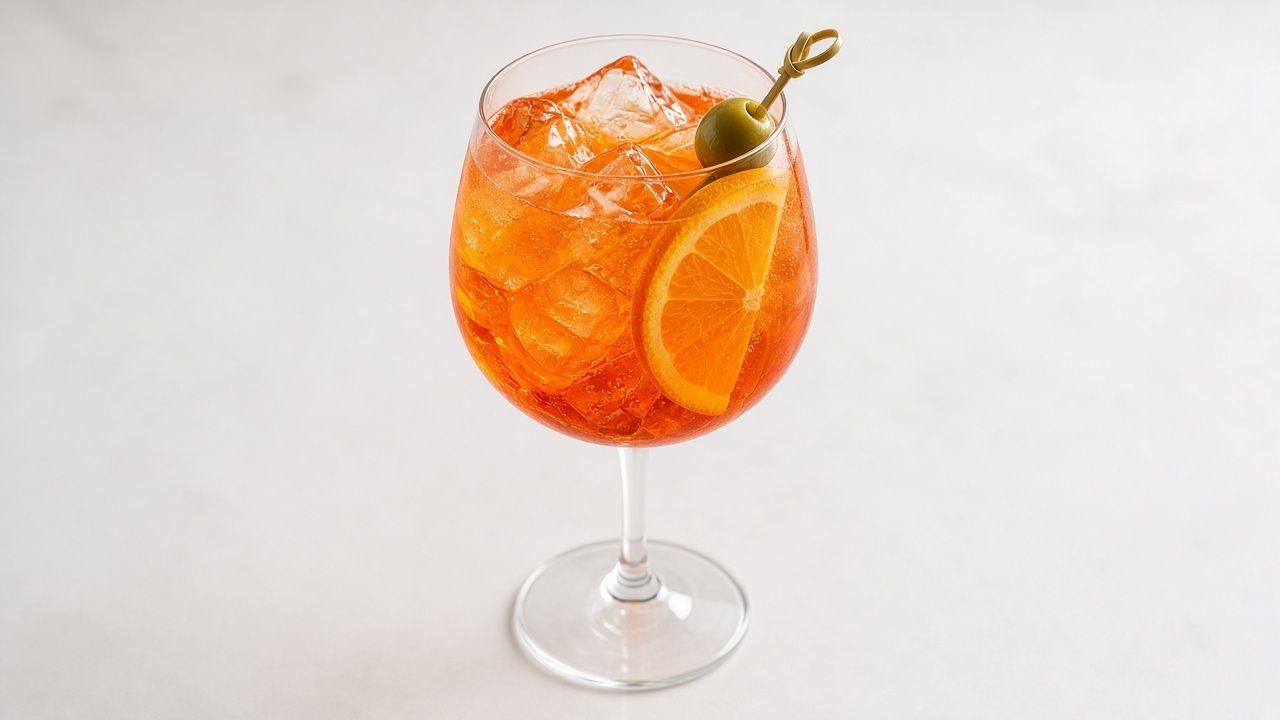
Difficulty: Easy. Prep time: 3 minutes. Serves: 1.
The classic Aperol Spritz is 90 ml Prosecco, 60 ml Aperol and 30 ml soda water, built in a large wine glass over ice.
- 90 ml Prosecco
- 60 ml Aperol
- 30 ml soda water
- 1 orange slice
Glass: large wine glass.
The 90 / 60 / 30 ml split is the usual spritz, counted at 30 ml to the fluid ounce. It is not a 25 ml UK single or a 50 ml UK double. Build the drink in the glass so the bubbles stay.
Method:
- Fill a large wine glass with clear ice.
- Pour in 90 ml Prosecco, then 60 ml Aperol.
- Add 30 ml soda water and an orange slice.
- Stir once, gently, and serve at once.
More spritzes in that same wine glass are in the summer spritz recipes.
Serving Tips & Techniques
Temperature Guidelines
Serve most aperitifs cold, about 3–7°C. Pre-chill the glass. Use large, clear ice cubes so the drink cools without turning to water. A warm glass dulls the bitter and knocks the sparkle flat.
Presentation Elements
Choose a large wine glass for the spritz. A short Campari or sweet-vermouth pour can take a rocks glass and one large cube. Use a fresh orange slice, pour the sparkling wine at the table, and put the glass down 30–60 minutes before the meal.
Measuring, and why a fizzy drink is built in the glass, is covered in the beginner's guide to cocktail making.
Clarified cocktails use milk or agar to take a mixed drink clear. That is a separate method, for a still drink, in the clarified cocktails guide.
Make-Ahead Guide
Batch Preparation
Scale the Aperol for the number of glasses, and keep that still measure sealed in the fridge. Add Prosecco, soda water and ice in the glass, one drink at a time. Fresh garnish goes on last. A spritz built an hour early goes flat and watery.
Storage Instructions
Keep vermouth refrigerated once it is open. Use it within a few weeks. Aperol and Campari are more stable; store them capped, in a cool cupboard. Choose a sealed bottle or jar for anything you measure ahead, and keep it cold.
Food Pairing Suggestions
An aperitif wants salt and a little fat. Sweet pudding can wait until after the meal.
Classic Combinations
Olives, a mild cheese, nuts and plain crackers. For this spritz, that plate is antipasti: something salty and light, not a main course.
Modern Pairings
Salty Asian-inspired snacks, a small Mediterranean mezze, contemporary tapas, or vegetarian antipasti, provided the plate stays savoury.
The wider matching table, including an Aperol Spritz with antipasti, is in the cocktail and food pairing guide.
A spritz suits warmer months. For drinks through the rest of the year, use the seasonal cocktails guide.
Common Mistakes to Avoid
Preparation Errors
- Over-diluting with too much soda, or with small wet ice
- Serving the drink warm
- Cloudy or shattered ice
- Guessing the 90 / 60 / 30 ml split
Serving Mistakes
- A flute or a coupe, which leaves no room for ice and an orange slice
- Pouring the round long before anyone sits down
- A dried garnish, or no orange on the spritz
- Letting the glass warm on the way to the table
Equipment Needed
The spritz needs a jigger and a large wine glass. Tool figures are rough guide bands, not a live shop price.
Essential Tools
- Jigger (about £6–£12)
- Mixing glass (about £16–£23), for a stirred vermouth drink
- Bar spoon (about £6–£9)
- Strainer (about £8–£12), for stirred drinks only
Optional Upgrades
- A tray for large clear cubes
- A rocks glass for a short Campari or vermouth pour
- A channel knife or peeler for orange peel
- A sealed bottle so opened vermouth can live in the fridge
FAQs
What is an aperitif?
An aperitif is a pre-dinner drink meant to stimulate the appetite. It is usually bitter, herbal or lightly sparkling, and lower in alcohol than a digestif.
What is the ideal serving time for aperitifs?
Serve aperitifs about 30–60 minutes before dinner. That is time for one glass, not a second round that spoils the meal.
Can I make these drinks non-alcoholic?
You can follow the same pattern without alcohol: a non-alcoholic bitter aperitif, chilled soda water and alcohol-free sparkling wine, over ice with an orange slice. This guide does not include a separate alcohol-free recipe for every style.
How long can I store mixed aperitifs?
Keep opened vermouth in the fridge. You can measure still ingredients such as Aperol a day ahead, sealed and chilled. Add Prosecco, soda water and ice only when you serve. A finished spritz will not keep for 24 hours.
Success Tips
Quality Ingredients
Use a fresh orange slice, clear ice and a bottle you would drink on its own.
Proper Technique
Measure the 90 / 60 / 30 ml split, keep the glass cold, and stir once. Put the drink out in the 30–60 minutes before dinner.
Presentation
Serve in a clean wine glass with one fresh orange slice. That is enough.
Conclusion
Learn the Aperol Spritz in millilitres, keep sweet vermouth in the fridge, and pour Campari when you want the aperitif more bitter and less sparkling. One cold, accurate glass before the meal is the whole job.